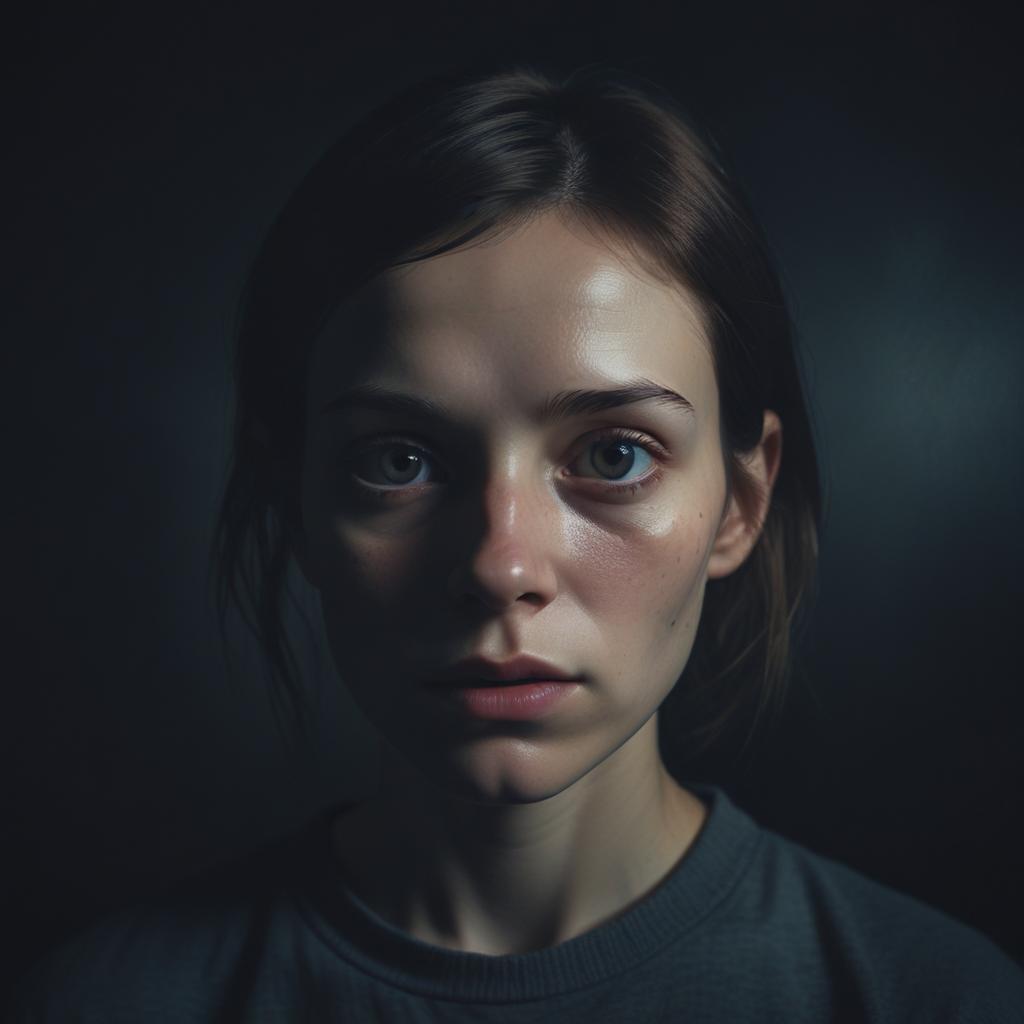
The Dark Side of AI Photo Editing: When Filters Cross the Line
You can now erase a stranger from a photo with a single click, but does that make it right?
AI photo tools are nothing short of magical. They can turn a grey sky blue, remove a trash can from a beautiful landscape, or even make you look like you got a full night’s sleep. But this incredible power comes with a growing list of ethical questions. It’s getting harder to tell what’s real and what’s been generated or altered by a machine. And that’s a problem bigger than just photography.
The Illusion of Reality: When Photos Stop Being Truthful
For over a century, photographs served as a record of reality. A “photograph” was evidence. Today, that’s no longer a guarantee. AI editing has moved far beyond simple color correction into the realm of complete fabrication. This creates a tricky gray area between art and deception.
The Rise of the “Fake Perfect”
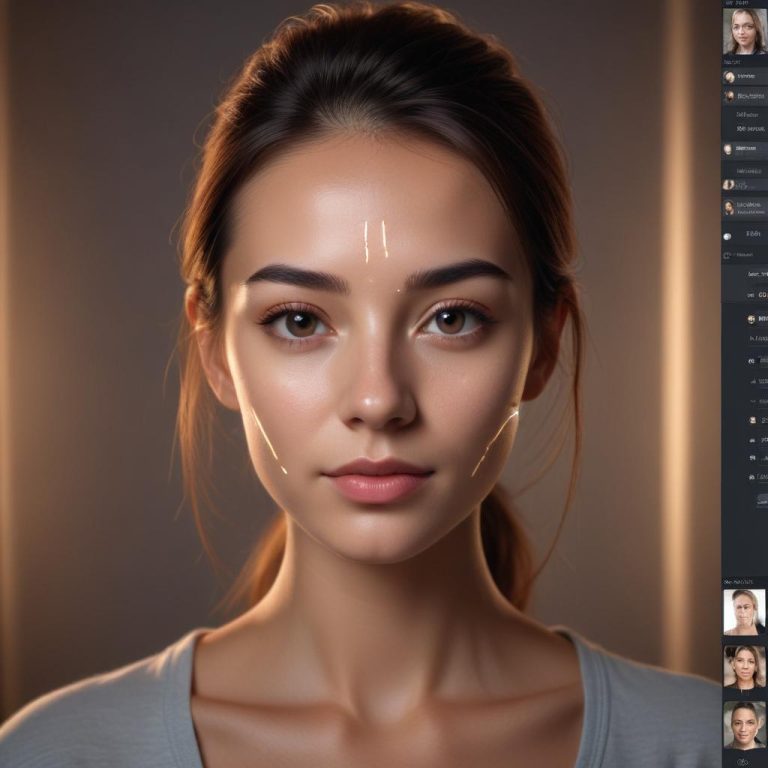
Social media is flooded with images perfected by AI. Skin is smoothed to a poreless texture, bodies are subtly reshaped, and backgrounds are replaced with exotic locations. The concern isn’t that people edit their photos—it’s that the standard for “normal” has become an AI-enhanced fantasy.
This creates immense pressure, especially on younger users, to match an impossible standard of beauty and lifestyle. The comparison isn’t to another person anymore; it’s to an algorithm’s idea of perfection.
Journalism, History, and the Trust Erosion
The stakes become critically high in news and historical documentation. When a photojournalist’s image can be convincingly altered to add or remove elements, the public’s trust in visual evidence crumbles. Deepfakes—highly realistic, AI-generated video or audio—are the extreme end of this spectrum, but the path starts with edited still images.
“When we can no longer believe our own eyes, the foundation of shared truth and accountability begins to shake.”
The Silent Theft: Who Owns the Art?
Behind every AI edit is a dataset—millions, sometimes billions, of images scraped from the internet. These images are often used without the creator’s consent, credit, or compensation. Your publicly shared photo might have been used to train a system that now competes with your own creative work.
Feeding the Machine Without Permission
Most AI models are trained on a vast buffet of online images. These include professional portfolios, personal Instagram posts, and copyrighted artwork. The argument from AI companies is often that this falls under “fair use” for research. Many artists and photographers vehemently disagree, feeling their life’s work has been used to build a tool that could devalue their skills.
The Plagiarism Problem
New AI features can now replicate a specific artist’s style in seconds. You can type “a landscape in the style of [Famous Living Artist]” and get a result that mimics their unique brushstrokes and color palette. This isn’t inspiration; it’s digital impersonation that raises serious legal and ethical questions about originality and intellectual property.
The Hidden Bias in the Code
AI isn’t intelligent on its own. It learns from the data it’s given. If that data is biased, the AI’s output will be too. This creates real-world problems in photo editing.
Here’s how bias shows up in your editing tools:
- Skin Tone Failure: For years, automatic photo software struggled with darker skin tones, improperly balancing exposure or color because it was primarily trained on lighter skin.
- “Beauty” Filters: Many default “enhancement” filters automatically slim faces, widen eyes, and lighten skin, promoting a narrow, often Western-centric, beauty ideal.
- Cultural Insensitivity: AI might fail to recognize or appropriately handle traditional clothing, hairstyles, or cultural landmarks, seeing them as “flaws” to correct.
The tool isn’t being racist on purpose—it simply learned from a biased world. But when we use these tools without thinking, we risk amplifying those biases.
Navigating the Gray Area: How to Edit Responsibly
This doesn’t mean you should delete your editing apps. It means being a more mindful creator and consumer of images.
For Personal Use: Question the “Auto-Enhance”
- Disclose Major Edits: If you’ve significantly altered your appearance or a scene on social media, consider a simple disclaimer like “Edited with AI” or “Fun with filters!” It helps reset expectations.
- Audit Your Tools: Notice what your app’s “one-click fix” does. Does it always lighten skin? Thin the face? Choose tools that enhance reality, rather than replace it.
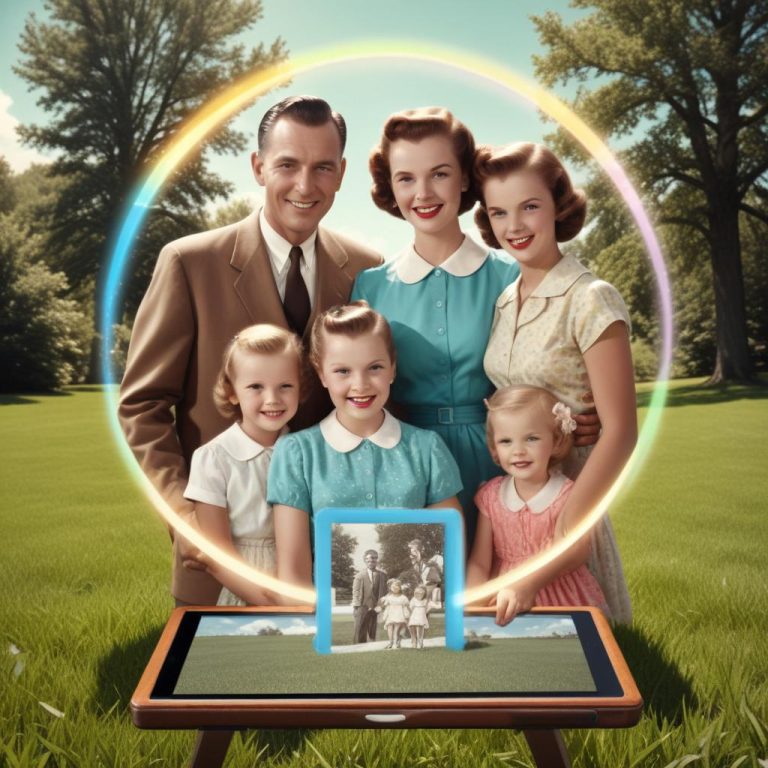
- Keep Memories Real: Think twice before using AI to “perfect” old family photos. The quirks and imperfections are often part of their story and emotional truth.
For Professional & Public Use: A Higher Standard
- Journalism & News: Any alteration beyond basic toning (color, contrast, cropping) that changes the factual content must be disclosed or is often forbidden.
- Marketing & Advertising: Many countries are introducing laws requiring labels on AI-generated or heavily altered images, especially in beauty ads, to manage consumer expectations.
- Art & Creation: Be transparent about your process. Using AI as a tool is valid, but claiming an AI-generated image as your own hand-drawn artwork is not.
The Path Forward: Awareness is the First Filter
Technology always outpaces ethics. By the time laws are written, the tools have evolved. That’s why individual responsibility is so crucial right now.
We must develop a new kind of visual literacy. Just as we teach kids to spot a suspicious website, we need to learn to question images. Look for tells: strangely perfect skin, warped backgrounds, odd shadows, or teeth that are too uniform.
The most powerful editing tool you have isn’t an AI slider—it’s your own critical thinking.
Frequently Asked Questions
Is using an AI “erase” tool to remove a tourist from my vacation photo unethical?
In a personal photo for your own album, it’s generally fine. Using it in a photo you present as photojournalism or a documentary of a location would be deceptive.
Can I get in legal trouble for using AI to edit photos?
Potentially, yes. Using AI to create defamatory images (putting someone in a compromising fake scene), infringe on copyright, or create fake endorsements can lead to lawsuits.
Do professional photographers consider AI editing “cheating”?
Opinions vary widely. Most agree that basic corrections are standard. The debate heats up around AI-generated elements (fake skies, added people) or fully AI-created “photos.”
How can I tell if a photo has been heavily edited by AI?
Look for inconsistencies: blurred or warped edges where objects were removed, repetitive patterns, too-perfect symmetry, or eyes/teeth that look unnaturally uniform.
Are there any ethical AI photo tools?
Some newer platforms are committing to ethically sourced training data, offering opt-outs for creators, and developing visible watermarks for AI-generated content. Support companies that are transparent about their practices.
The goal isn’t to stop progress. It’s to guide it. By understanding the dark side, we can choose to use these astonishing tools to create, connect, and celebrate reality—not just replace it.
Where do you draw the line with AI editing? Share your personal rules or concerns in the comments.